Страницы

Показаны сообщения с ярлыком Английский. Показать все сообщения

четверг, 5 мая 2016 г.

I'll miss all of you, my favorite and best school...

Now, it's my turn to graduate from my school. leaving memories in us.
Here I got good friends and appeared in such a wonderful place, where I got inspiration for my future  work and achievements. 

We are so busy with our future examinations that we can't enjoy the last days in our school.
This school changed my charachter, my thinking way.
 I realised what it meant to be in your own exhibition. It is difficult to exept that this period of my life is going to end, but on the other hand that finish will become a new begining in my life.

Some people think that the Earth is being damaged by human activity and our planet is dying. Others think that human activity makes the Earth a better place to live.

Whether human activity is making the Earth a better place to live or damaging it is a debatable issue. Some people advocate the idea that human activity is advantageously influencing to the Earth. However, I strongly believe that human activity are having a bad effect upon our planet, for human are polluting the Earth's environment, exhausting natural resource and threatening the living of other species.

вторник, 3 мая 2016 г.

Մաթևոսյանը Համո Սահյանի մասին

ԵՐԵՐՈՒՆ, ԲԱՅՑ ԱՆՇԵՂ ԸՆԹԱՑՔ
Ինձ համար դյուրին էր ասել. «Համո Սահյանը ճիշտ մարդ էր, իր կռվի ժամին կռվեց, խաղի ժամին խաղաց ու խայտաց, խոստովանանքի իր պահը՝ որ դիմագիծ է պարգեւում ճշմարիտ գրականությանը՝ բավական երկարատև էր, և հեռանալու ժամին հեռացավ». և հավելել արդար խղճով՝ «Եվ իր բոլոր պահերին գեղեցիկ էր, մերայինների մեջ թերևս ամենավայելուչը, քանի որ երբեք չմտավ իրեն չվերապահված սրահներ և այդպիսով իրեն անակնկալների չբերեց»: Կարող էի ասել. արժանավորների մեջ այդ արժանավորին մի կողմ քաշել այս փլուզման մեղավորների ստվար զանգվածից ու արդարանալ` «ինքն անպարտ է, մենք անպարտ ենք»։

воскресенье, 6 марта 2016 г.

The topic is based on an apparently true fact that a person's worth during present days is assessed on the criteria of material possessions & social status rather than moral values such as honesty, integrity, kindness & trust which is agreeable to some extent but is not a completely valid argument for all situations.

The advocates of this theory arguably have some sensible justifications that support the fact that the world is becoming more & more materialistic since it can be observed in our daily life that there is a high competition of new technological inventions & people are desperate to get their hands first on new advanced products. There is also a race for social status as some people have ascribed status but other people are struggling hard to achieve a status. For instance, doctors earn the status of a doctor by succeeding in the medical exams, a professional accountant achieve his status by completing the requirement of a professional accountancy body. It is a common thought among a proportion of people that person who is wealthy, rich and who have high profile social status is deemed to be valuable personality in the society. Among many of the other reasons, a possible reason reason for such reflection might be that people expect that a person who is financially strong can benefit them financially or a person who have solid social status might give them some type of benefit in kind.

However, the question is does that standard to determine the worth of a person really defines the actual meaning of a worthy person. It can be said without any doubt that no one in the world would like to go to a doctor who is famous of being dishonest to his profession & also the shareholders of a large listed company will not be convinced to handover their investment to a mistrusted professional accountant. In all such cases all that matter is so-called old fashioned values known as trust, honesty, integrity & kindness which is the most deserving yardstick in concluding the real worth of a person.


In conclusion, it is merely the perception of a person who is making judgement regarding the worth of a person.

суббота, 5 марта 2016 г.

MAKING TIME FOR SCIENCE

Chronobiology might sound a little futuristic – like something from a science
fiction novel, perhaps – but it’s actually a field of study that concerns one of the oldest
processes life on this planet has ever known: short-term rhythms of time and their effect
on flora and fauna.
This can take many forms. Marine life, for example, is influenced by tidal
patterns. Animals tend to be active or inactive depending on the position of the sun or
moon. Numerous creatures, humans included, are largely diurnal – that is, they like to
come out during the hours of sunlight. Nocturnal animals, such as bats and possums,
prefer to forage by night. A third group are known as crepuscular: they thrive in the lowlight
of dawn and dusk and remain inactive at other hours.
When it comes to humans, chronobiologists are interested in what is known as
the circadian rhythm. This is the complete cycle our bodies are naturally geared to
undergo within the passage of a twenty-four hour day. Aside from sleeping at night and
waking during the day, each cycle involves many other factors such as changes in blood
pressure and body temperature. Not everyone has an identical circadian rhythm. ‘Night
people’, for example, often describe how they find it very hard to operate during the
morning, but become alert and focused by evening. This is a benign variation within
circadian rhythms known as a chronotype.
Scientists have limited abilities to create durable modifications of
chronobiological demands. Recent therapeutic developments for humans such as
artificial light machines and melatonin administration can reset our circadian rhythms, for
example, but our bodies can tell the difference and health suffers when we breach these
natural rhythms for extended periods of time. Plants appear no more malleable in this
respect; studies demonstrate that vegetables grown in season and ripened on the tree
are far higher in essential nutrients than those grown in greenhouses and ripened bylaser.Knowledge of chronobiological patterns can have many pragmatic implications
for our day-to-day lives. While contemporary living can sometimes appear to subjugate
biology – after all, who needs circadian rhythms when we have caffeine pills, energy
drinks, shift work and cities that never sleep? – keeping in synch with our body clock is
important.
The average urban resident, for example, rouses at the eye-blearing time of 6.04
a.m., which researchers believe to be far too early. One study found that even rising at
7.00 a.m. has deleterious effects on health unless exercise is performed for 30 minutes
afterward. The optimum moment has been whittled down to 7.22 a.m.; muscle aches,
headaches and moodiness were reported to be lowest by participants in the study who
awoke then.
Once you’re up and ready to go, what then? If you’re trying to shed some extra
pounds, dieticians are adamant: never skip breakfast. This disorients your circadian
rhythm and puts your body in starvation mode. The recommended course of action is to
follow an intense workout with a carbohydrate-rich breakfast; the other way round and
weight loss results are not as pronounced.
Morning is also great for breaking out the vitamins. Supplement absorption by the
body is not temporal-dependent, but naturopath Pam Stone notes that the extra boost at
breakfast helps us get energised for the day ahead. For improved absorption, Stone
suggests pairing supplements with a food in which they are soluble and steering clear of
caffeinated beverages. Finally, Stone warns to take care with storage; high potency is
best for absorption, and warmth and humidity are known to deplete the potency of a
supplement.
After-dinner espressos are becoming more of a tradition – we have the Italians to
thank for that – but to prepare for a good night’s sleep we are better off putting the
brakes on caffeine consumption as early as 3 p.m. With a seven hour half-life, a cup of
coffee containing 90 mg of caffeine taken at this hour could still leave 45 mg of caffeine
in your nervous system at ten o’clock that evening. It is essential that, by the time you
are ready to sleep, your body is rid of all traces.
Evenings are important for winding down before sleep; however, dietician
Geraldine Georgeou warns that an after-five carbohydrate-fast is more cultural myth
than chronobiological demand. This will deprive your body of vital energy needs.
Overloading your gut could lead to indigestion, though. Our digestive tracts do not shut
down for the night entirely, but their work slows to a crawl as our bodies prepare for
sleep. Consuming a modest snack should be entirely sufficient.


Questions 1–7
Do the following statements agree with the information given in Reading Passage 1?
In boxes 1–7 on your answer sheet, write
TRUE - if the statement agrees with the information
FALSE -if the statement contradicts the information
NOT GIVEN -if there is no information on this
1 Chronobiology is the study of how living things have evolved over time.-False
2 The rise and fall of sea levels affects how sea creatures behave.-True
3 Most animals are active during the daytime.-Not given
4 Circadian rhythms identify how we do different things on different days.-False
5 A ‘night person’ can still have a healthy circadian rhythm.-True
6 New therapies can permanently change circadian rhythms without causing harm.-False
7 Naturally-produced vegetables have more nutritional value.-True

Questions 8–13
Choose the correct letter, A, B, C or D.
Write the correct letter in boxes 8–13 on your answer sheet.
8 What did researchers identify as the ideal time to wake up in the morning?
A 6.04
B 7.00
C 7.22
D 7.30
9 In order to lose weight, we should
A avoid eating breakfast
B eat a low carbohydrate breakfast
C exercise before breakfast
D exercise after breakfast
10 Which is NOT mentioned as a way to improve supplement absorption?
A avoiding drinks containing caffeine while taking supplements
B taking supplements at breakfast
C taking supplements with foods that can dissolve them
11 The best time to stop drinking coffee is
A mid-afternoon
B 10 p.m.
C only when feeling anxious
D after dinner
12 In the evening, we should
A stay away from carbohydrates
B stop exercising
C eat as much as possible
D eat a light meal
13 Which of the following phrases best describes the main aim of Reading Passage
1?
A to suggest healthier ways of eating, sleeping and exercising
B to describe how modern life has made chronobiology largely irrelevant
C to introduce chronobiology and describe some practical applications

 Nowadays more people are choosing to live with friends or alone rather than with their families. This trend is likely to have a negative impact on communities.

Most people in the world have spent approximately more than eighteen years with their family which is enough of their life time. Such fact has led the people to dream their own ruled worlds after finishing their basic education. Over eighteen years people have disciplined to be one of fair ones who fit into a society well - they have taught not to hurt others. Therefore their childhood or adolescenthood is only a part of preparing to be a member of society which means children need cares and supports from their parents. However, the roles of parents disappear when their children are ready to be considered as adults.
In addition, an individual's independent lifestyle has more benefits than being domesticated at home. One of benefits is that people can learn how to manage more difficult and various problems. As the people feel more uncomfortable, they will figure out how to repel their negatives and promote positives. It's inevitable that people have to go through lifelong learning and living alone is definitely a part of it.
An extended free time is another advantage of being independent. People will need to find how they are going to use their times wise and more efficient when they are left alone. For example, they can have cultural activities such as going to art galleries or theatre. These activities enhance their views on world. We can grow more by spending more time for ourselves.
To summarise, living alone or with friends is a good way of learning. Not only can people learn how to hold a responsible for what they have done, they also can construct much better planning for themselves.

среда, 27 мая 2015 г.

App shows who is polluting

China is routinely in the headlines for suffering from some of the worst air pollution in the world. But a new app is attempting to change all of that by naming and shaming the culprits.
The Blue Map app compiles emissions data which is supplied by the factories themselves to local governments and allows users to see which companies are exceeding the official standards. The app allows them to share the figures on social media and even report the firms to the local environmental protection bureau.
Ma Jun, founder of the Institute for Public and Environmental Affairs, is excited about this introduction but admits that the government’s willingness to supply the data took him by surprise. 
“I think previously there’s never been this extent of interaction between the citizen and the government. I think this is a very good experiment. I hope this experiment can lead to a more effective solution to the pollution issue. This way, there will be more faith and more openness and there will be more encouragement for the public participation.”
With no less than 16 of the world’s 20 cities with the worst air pollution, the app can’t come a moment too soon.
Difficult words: pollution (small things in the air or water that are bad for living things), attempt (try), culprit (someone who did something wrong), emission (gas), exceed (to do something too much), bureau (office), extent (amount), issue (problem).
Source: www.ondemandnews.com


Read more: http://www.newsinlevels.com/products/app-shows-who-is-polluting-level-3/

Oil slick in California

Clean-up crews are working around the clock for a third day to remove patches of oil that have stained a beach and fouled offshore waters in California. Investigators are now looking into how tens of thousands of gallons of oil spewed into the sea off Santa Barbara.
As much as 105,000 gallons (397 cubic metres) of crude oil gushed onto San Refugio State Beach and into the sea when an underground pipeline suddenly burst on Tuesday morning.
The torrent of oil streamed down a canyon, under a culvert and out onto the once-pristine beach, blackening a 4-mile stretch of sand and rocks. It also left two oil slicks in the water spanning more than 9 miles.
The company responsible for the pipeline has publicly apologised and has said it shut off the flow about 30 minutes after operators detected pressure irregularities. State and local prosecutors are now investigating the incident to see if criminal charges could be brought, or if there are grounds for civil liability.
Difficult words: around the clock (all day and all night), foul (to pollute), spew (to get out with a lot of force), gush (to flow in large quantity), torrent (a stream), culvert (a tunnel carrying a stream under a road), pristine (very clean), stretch (an area), irregularity (when something is not regular), prosecutor (a person who conducts a legal proceeding), grounds (a possibility), liability (when you are legally responsible for something).
Source: www.ondemandnews.com

An Interactive English Lesson with its Activities

The first type of conditional sentences
Պայմանական նախադասությունների առաջին տիպը
Անգլերենի գլխավոր նախադասությունը ապառնի ժամանակում է, իսկ երկրորդականը` ներկա: Պայմանն իրական է:
If I see Tom, I will invite him to my birthday party. Եթե ես տեսնեմ Թոմին, կհրավիրեմ նրան իմ ծննդյան օրվա հավաքույթին:
If the weather is fine, we will go to the country for the week-end.
Եթե եղանակը լավը լինի, մենք կգնանք քաղաքից դուրս շաբաթվա վերջին:

Writing about true happiness

English philosopher of the 17th century, John Locke wrote about freedom, life, liberty, property and happiness. The latter quoted from his 1693 Essay Concerning Human Understanding that “the highest perfection of intellectual nature lies in a careful and constant pursuit of true and solid happiness.” These were his concepts of inalienable rights. But had Locke been alive today he would have thought that we live in total anarchy. With “liberty” he meant sticking to the rules that governed social class mobility and with “happiness” he meant gathering property and riches without being bothered by government. In June 1776, George Mason reiterated the right to property in the Virgina Deceleration of Rights. But a few days later, on July 4th, Thomas Jefferson, penning the United States Deceleration of Independence, changed Locke’s original call for “life, liberty, and property” to: “We hold these Truths to be self-evident, that all Men are created equal, that they are endowed by their Creator with certain unalienable Rights, that among these are Life, Liberty and the pursuit of Happiness.” Locke never visited the United States and he died in 1704.

понедельник, 25 мая 2015 г.

Սիֆ

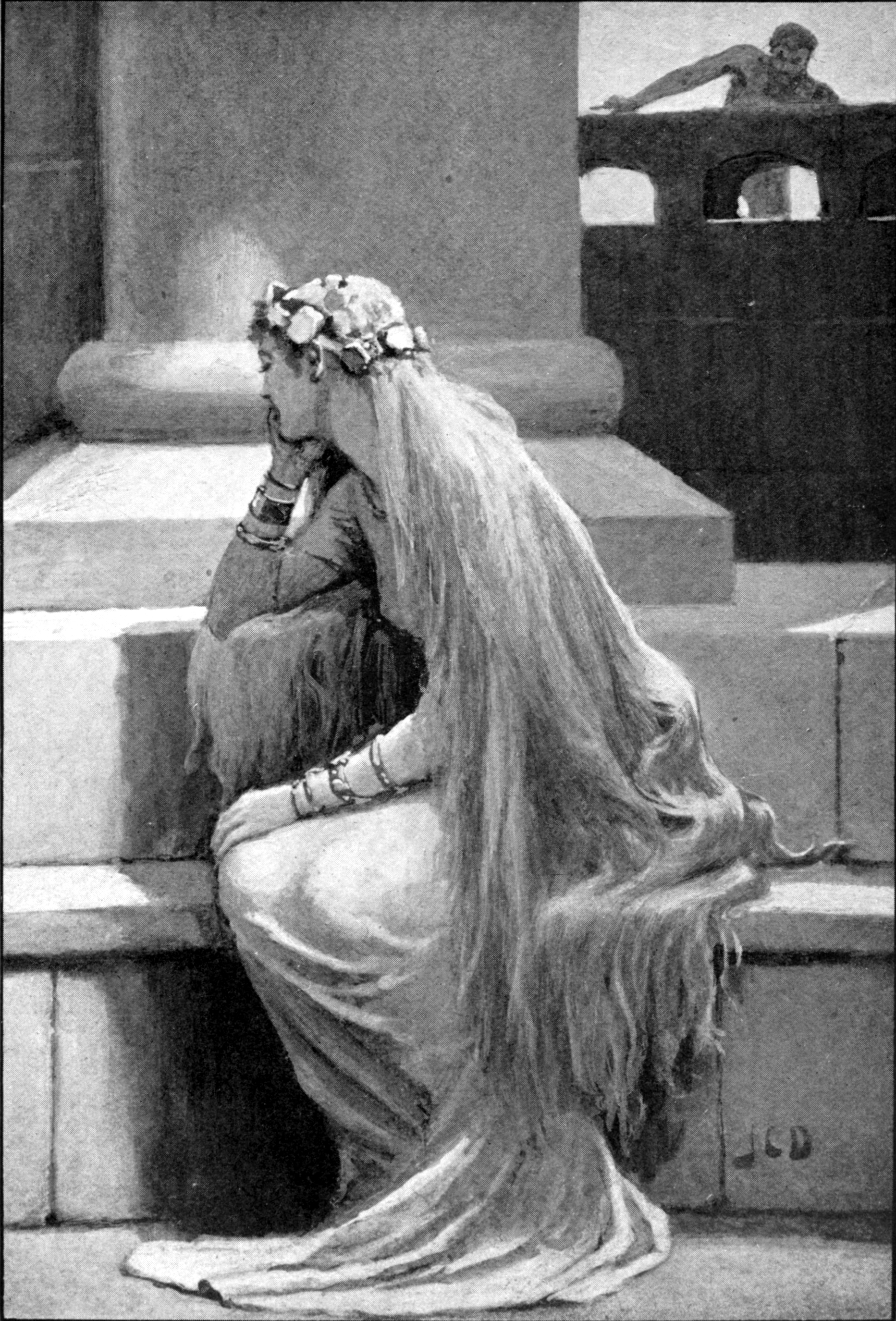
"Sif" by John Charles Dollman (1909)Սիֆը Սկանդինավիան աստվածուհի է, որը նշվում է փոքր-ինչ հաճախ հին Սկանդինավիան գրականության մեջ, սակայն միայն անցողիկ տեղեկություններով: Գրեթե միակ բանը, որ մենք գիտենք, այն է որ նա հանդիսանում է փոթորկի աստված Թորի կինը: Նրա անունը կարծես նշանակում է <<կապ ամուսնությամբ>>, այնպես որ մենք ոչինչ չենք գտնի իր անձի կամ գործառույթի մասին, պարզապես ընտանեկանիքի հետ կապված հասկացություն:
Կան երկու տեղեկություններ Սիֆի մասին, որոնք ասում են ավելի քան սա: Նա ասել է որ նա չճանաչված աստված Ուլրի մայրն է , ում անհայտ հայրը ըստ երեւույթին ինչ-որ ուրիշն է բացի Թորից: Նաեւ նա դեր է ունեցել թորի մուրճի ստեղծման հեքիաթում, թեեւ այդտեղ նրա դերը բոլորովին պասիվ էր: Այդտեղ ասված է, որ Սիֆը ուներ շքեղ ոսկե մազեր, որորնք մի օր կտրեց խորամանկ խաբեբա Լոկին, երբ ունեցավ հատկապես չար տրամադրություն: Թորը զայրացած սպառնացել է Լոկիին որ կսպանի նրան, բայց Լոկին համոզում է ամպրոպի աստծուն խնայել իր կյանքը, մի պայմանով որ նա կգնի ավելի լավ մազեր Սիֆի համար: Թորը համաձայնվեց եւ Լօկին գնաց հայթայթելու Սիֆի նոր մազերը:
Այս տեղեկությունը Սիֆի ոսկե մազերի մասին չնչին է, քանի որ մենք գիտենք այնուամենայնիվ ավելի իմաստալից դետալ իր մասին: Շատ գիտնականներ ենթադրում են որ սա հոսող դաշտի հասած բերքի հացահատիկի խորհրդանիշ է : Երբ դիտվել է  կրոնի տեսանկյունից, թե ինչ գիտենք Թորի մասին, այն կարծես կռահման մի ձայն է տվել:
Դիցաբանության ամենատարածված թեմաներից մեկը հնդեվրոպական ժողովուրդների, ինչպիսիք են Սկանդինավիան եւ այլ գերմանական ժողովուրդների, ինչպես նաեւ կելտերի, սլավոնների, բալթյան ժողովուրդների, հույների, հռոմեացիների, հնդիկների (Հնդկաստանի) եւ շատ ուրիշների, ունեն գաղափար երկնքի եւ երկրի աստվածների եւ աստվածուհիների միության մասին: Գիտնականները անվանում են դա Hieros կամ Hierogamy, որը նշանակում է <<աստվածային ամուսնություն>>: Հիերոս Գամոսը պահպանում է տիեզերական կարգը եւ բերում բերրիություն եւ բարգավաճում երկրի վրա, քանի որ նա բեղմնավորված է  երկնքիցանձրեւով եւ արեւով:
Թորի ամենաշատ դերերից է հին գերմանական կրոնում գյուղատնտեսական առատություն բերող էր: Ինչպես տասնմեկերորդ դարի պատմաբան Ադամ Բրեմենը նշում է <<Թոր, նա նախագահում է օդում, կառավարում է ամպրոպ եւ կայծակ, քամիները եւ անձրեւները, արդար եղանակը եւ բույսերը>>: Այսպիսով իմաստ ունի Սիֆի բերրիության աստվածուհի լինելը, նաեւ այլ Սկանդինավյան աստվածուհիներ ինչպիսիք են Ֆրեյան, Գեֆյունը, Ֆյորգինը եւ Յորդը: Սիֆը հատկապես կապված է երկրի մակերեսի բուսականության հետ որը կապված է իր մազերի հետ, նաեւ հիմնավորված է գոյություն ունի մամուռի տեսակ, որը հին սկանդինավյան լեզվով կոչվում է Հադր Սիֆյար (Սիֆի մազերը):
Չնայած նրան, թե ինչքան քիչ գիտենք նրա մասին, Սիֆը կարծես թե պատկանում է հին, առավել վեհ դերով աստվածային դիցաբանության, կրոնի, եւ նախաքրիստոնեական հյուսիսային եւ այլ գերմանական ժողովուրդների  աշխարհընկալմանը:

SIF

“Sif” by John Charles Dollman (1909)
Sif is a Norse goddess who is mentioned somewhat often in Old Norse literature, but only in passing references. Virtually the only thing we know about her is that she is the wife of the storm-god Thor. Her name seems to mean “relation by marriage,” so even here we find nothing of a personality or function – just a familial association.[1]
There are two references to Sif that say anything more than this. She is said to be the mother of the similarly obscure god Ullr, whose unknown father is apparently someone other than Thor.[2]
She also plays a role in the tale of The Creation of Thor’s Hammer, although here, too, her role is completely passive. Here it’s said that Sif had magnificent golden hair, which the wily trickster Loki cut off one day when he found himself in an especially mischievous mood. Thor, enraged, threatened to kill Loki, but Loki convinced the thunder god to spare his life on the condition that he find an even fairer head of hair for Sif. Thor consented, and off Loki went to procure Sif’s new hair.[3]
This reference to Sif’s golden hair, as paltry as it is, is nevertheless the most meaningful detail we know about her. Many scholars have suggested that this is a symbol of a field of flowing grain ripe for the harvest.[4] When viewed from the standpoint of comparative religion, as well as what we know about Thor, this would seem to be a sound intuition.
One of the most common themes in the mythology of the Indo-European peoples such as the Norse and other Germanic peoples, as well as the Celts, Slavs, Balts, Greeks, Romans, Indians (of India), and many others, is the idea of the sexual union of a sky god and an earth goddess. Historians of religion call this a hieros gamos orhierogamy, which means “divine marriage.” The hieros gamos maintains the cosmic order and brings fertility and prosperity to the earth as it – or she – is fertilized by the rain and sun from the sky.
One of Thor’s foremost roles in ancient Germanic religion was that of a bringer of agricultural abundance. As the eleventh-century German historian Adam of Bremen notes, “Thor, they say, presides over the air, which governs the thunder and lightning, the winds and rains, fair weather and crops.”[5]
Thus, it would make sense for Sif to be a goddess of the fertility of the earth, a role also occupied to varying degrees by other Norse goddesses such as FreyaGefjun,Fjorgyn, and Jord. Sif’s being especially associated with the vegetation on the surface of the earth, which is suggested by the nature of her hair, is also corroborated by the fact that a species of moss (Polytrichum aureum) was called haddr Sifjar (“Sif’s hair”) in Old Norse.[6]
Despite how little we know about her, then, Sif seems to belong to one of the most archaic, and most exalted, roles of divinity in the mythology, religion, and worldview of the pre-Christian Norse and other Germanic peoples.

Պոեզիայի մեղրախմիչքը

Այս հոդվածը բաժանված է երեք մասի. Առաջին մասը պատմում է հեքիաթ Օդինի գողացած պոեզիայի մեղրախմիչքի մասին (Հին Հյուսիսային Óðrœrir <<Ոգեշնչման սկզբնապատճառ>>): Երկրորդ եւ երրորդ մասերը ուսումնասիրում են, թե ինչ է մեզ ցույց տալիս այս հեքիաթը նախաքրիստոնեական նորվեգական եւ այլ գերմանական ժողովուրդների աշխարհայացքի մասին, եւ համեմատել այդ աշխարհընկալման ասպեկտները ժամանակակից հասարակությաան գերիշխող աշխարհայացքի հետ:
Պոեզիայի մեղրախմիչքը
Ասերի եւ Վաների պատերազմի ավարտին աստվածներն եւ աստվածուհները կնքեցին հաշտություն թքելով մեծ տակառի մեջ: Իրենց թուքը վերածվեց մեկի, ում անվանում էին Կվասիր (<<Ֆերմենտացված հատապտուղների հյութ>>):
Կվասիրը ամենաիմաստուն մարդն էր, ով երբեւէ ապրել է: Ոչ ոք չի կարողացել ներակյացնել նրան մի հարց, որի համար նա չունենա գոհացուցիչ պատասխան: Նա դարձավ հայտնի եւ շրջագայեց ամբողջ աշխարհով տալով խորհուրդներ:
Կվասիրը հրավիրված է լինում երկու թզուկների տուն՝ Ֆյալար (<<Խաբեբա>>) եւ Գալար (<<Ճչացող>>): Իր Ժամանելուց թզուկները սպանում են նրան եւ եփում մեղրախմիչք իր արյունով: Այս Մեղրախմիչքը պարունակում է Կվասիրի ունակությունը տարածել իմաստություն, եւ համապատասխանաբար անվանվել Óðrœrir (<<Ոգեշնչման խառնիչ>>): Որեւէ մեկը, ով խմի այն կդառնա պոետ կամ գիտնական:
Երբ աստվածները հարցրին նրանց Կվասիրի անհետացման մասին, Ֆյալարն ու Գալարն ասացին նրանց, որ Կվասիրը խեղդվել է իր իմաստությունով:
Երկու թզուկները ըստ երեւույթին իրենց սպանությունից ուրախացան: Շուտով, այս միջադեպից հետո, նրանք հանեցին հսկա Գիլլինգին եւ խեղդեցին նրան մարզվելու համար: Գիլլինգի կնոջ լացի ձայները զայրացրեց իրենց, այսպիսով նրանք սպանեցին կնոջը, այս անգամ երկնաքար նետելով նրա գլխին իրենց տան դռան տակից:
Բայց վերջին չարիքից թզուկները ընկան փորձանքի մեջ: Երբ Գիլինգի որդի Սաթթանգը իմացավ իր հոր սպանությանմասին, նա բռնեց նրանց եւ տարավ դրեց ստորջրյա ժայռին, որը շուտով ծածկվեց  ալիքներով:
Թզուկները աղաչում էին իրենց կյանքի համար, եւ Սաթթանգը կատարեց նրանց խնդրանքը, միայն այն ժամանակ, երբ նրանք համաձայնվեցին տալ նրանԿվասիրի արյան հետ եփված մեղրախմիչքը  : Սաթթանգը թաքցրեց տակառները խցիկում՝ Հիմինբյորգ լեռան տակ, եւ ասաց իր դուստր Գունլոդին (մարտահրավեր) հսկել նրանց:
Այժմ Օդինը, աստվածների գլխավորը, ով անհանգիստ է եւ անկասելի իր իմաստության ձգտման մեջ, դժգոհ երթանկագին մեղրախմիչքի գոյությանը: Նա թեքում է իր կամքը դեպի ձեռք բերելուն այն իր համար եւ որոշում է, որ նա արժանի է իր ուժին:
Ծպտված որես մշակ, Օդինը գնաց Սաթանգի եղբոր՝ Բաուգի ֆերմա: Այնտեղ նա գտավ խոտ հնձող ինը ծառա: Նա մոտեցավ նրանց, իր թիկնոցի տակից հանեց սրող քարը ու առաջարկեց սրել իրենց գերանդիները: Նրանք հաճույքով համաձայնվեցին, որից հետո զարմացան, թե ինչ լավ են իրենց գերանդինեը խոտ հնձում:  Բոլորը հայտարարեցին որ դա լավագույն սրող քարն է, որ նրանք երբեւէ տեսել էին, եւ յուրաքանչյուրը խնդրեց ձեռք բերել այն: Օդինը համաձայնվում է վաճառել այն,<<բայց>> նա զգուշացնում է նրանց <<դուք պետք է բարձր գին վճարեք>>: Այնուհետեւ նա օդ նետեց քարը, այն բռնելու պայքարում ինը իրենց գերանդիներով սպանեցին միմյանց :
Օդինը գնաց Բաուգի դուռը եւ ներկայացրեց իրեն որպես «Bölverkr» («դժբախտության աշխատող»): Նա առաջարկեց անել ինը ծառաների աշխատանքը, ովքեր, ինչպես նա ասաց, շատ ստորաբար սպանեցին միմյանց դաշտում կռվի ժամանակ , ավելի վաղ այդ օրը: Ինչպես վարձատրություն նա պահանջում է մի կում Սաթանգի մեղրախմիչքից:
Բաուգին պատասխանեց որ նա չէր հսկում մեղրախմիչքը , այն պահպանվում է Սաթանգի խանդով, սակայն, եթե Բոլվերկրը իսկապես կարող է կատարել ինը տղամարդկանց գործը, նա օգնում է մշակին իրականացնել իր ցանկությունը:
Աճող սեզոնի վերջում Օդինը կատարում է հսկային տրված խոստումը, որը պետք է տեղեկություն տար նրան Սաթանգի մեղրախմիչքի մասին, սակայն Սաթթանգը զայրացած մերժել է նրան: Ծպտված աստվածը հիշեցնելով իրենց գործարքը Բաուգին, համոզում է հսկային օգնել իրեն հասնել Գունոլդի բնակավայրը: Երկուսն էլ գնացին լեռան այն հատվածը, որը Բաուգին գիտեր որ ավելի մոտ է սորգետնյա խցիկին: Օդինը հանեց շաղափը իր թիկնոցից եւ հանձնեց այն Բաուգին, որ նա փորի ժայռը: Հսկան արեց դա, շատ աշխատանքից հետո ասաց, որ փոսն ավարտվեց: Օդինը փչեց փոսի մեջ ստուգելու Բաուգի պնդումը, եւ երբ ժայռի փոշին ետ եկավ իր դեմքին, նա իմացավ որ իր ուղեկիցը խաբել է իրեն: Կասկածանքով աստվածը հրամայեց հսկային ավարտել այն, ինչ սկսել է: Երբ Բաուգը հաղթահարեց փոսը, Օդինը եւս մեկ անգամ փչեց: Այս անգամ բեկորները տարածվեցին անցքի մեջ. Օդինը շնորհակալություն է հայտնում Բաուգին իր օգնության համար, փոխում է իր կերպարը օձի եւ սողալով մտնում անցքի մեջ: Բաուգը վնասեց նրան շաղափով, բայց Օդինը հասցրեց անցնել ճիշտ ժամանակին:
Հայտնվելով ներսում, նա վերածվեց գայթակղիչ երիտասարդ տղամարդու եւ ուղղվեց այնտեղ, որտեղ Գունոլդը հսկում եր մեղրախմիչքը: Հաղթելով նրա վստահությունը, խոստում է վերցնում նրանից, որ եթե նա քնի իր հետ երեք գիշեր, նա կտա իրեն երեք կում մեղրախմիչքից: Երրորդ գիշերից հետո, Օդինը գնաց մեղրախմիչքի մոտ, որը երեք տակառների մեջ էր եւ խմեց ամեն տակառի պարունակությունից:
Այնուհետեւ Օդինը կրկին փոխեց իր կերպարը, այս անգամ արծվի, եւ թռավ դուրս դեպի Ասգար՝ աստվածների երկնային ամրոց, իր մրցանակը կոկորդին: Շուտով Սաթանգը հայտնաբերեց այդ խաբեությունը, դարձավ մի այլ արծիվ եւ թռավ դուրս հետապնդելու Օդինին:
Երբ աստվածները նկատեցին իրենց առաջնորդին Սաթթանգի հետ ետեվում, նրանք մի քանի անոթ դրեցին իրենց ամրոցի եզերքին: Օդինը հասնում է իր մերձավորների բնակավայր, մինչեւ Սաթանգը կհասներ նրան, եւ հսկան ետ քաշվեց տանջվելով: Հենց Օդինը հասավ տարաներին, նա լցրեց մեղրախմիչքը նրանց մեջ: Նա արեց այդպես, սակայն մի քանի կաթիլ ընկավ իր կտուցից Միդգարդ՝ մարդկության ստորեւ աշխարհ: Այդ կաթիլները բոլոր վատ ու միջակ բանաստեղծների եւ գիտնականների կարողությունների աղբյուրն են: Սակայն իսկական պոետներն ու գիտնականները նրանք են, ում Օդինը տվել է իր մեղրախմիչքից անձամբ եւ խնամքով:

Ճշմարտության եւ գիտելիքի ծագումը
Որքան ժամանցային է այս հեքիաթը, այն նաեւ չափազանց հարուստ է թեմաներով, որոնք բացահայտում են որոշ առավել կարեւոր նախաքրիստոնեական, հյուսիսային եւ այլ գերմանական ժողովուրդների եւ ժամանակակից հասարակության աշխարհայացքի, մի կողմից աշխարհընկալման թեմաներոը: Տարբերություններից առաջինը մենք համարում ենք թե որտեղից են գալիս մեր մտքերը:
Ժամանակակից աշխարհում մենք վերցնում ենք այն ինչը շնորհվել է մեր համոզմունքների ակտիվ գործընթացի նկատմամբ, որում մենք ունենք տոտալ վերահսկողություն: Մենք կոչում ենք այդ գործընթացը <<պատճառ>>:


THE MEAD OF POETRY

This article is divided into three parts. The first section recounts the tale of Odin’s theft of the mead of poetry (Old Norse Óðrœrir, “Stirrer of Inspiration”). The second and third sections explore what this tale shows us about the pre-Christian worldview of the Norse and other Germanic peoples, and compares these aspects of their worldview with the dominant worldview of modern society.
The Mead of Poetry
At the conclusion of the Aesir-Vanir War, the Aesir andVanir gods and goddesses sealed their truce by spitting into a great vat. From their spittle they formed a being whom they named Kvasir (“Fermented Berry Juice”[1]). Kvasir was the wisest human that had ever lived; none were able to present him with a question for which he didn’t have a satisfying answer. He became famous and traveled throughout the world giving counsel.
Kvasir was invited to the home of two dwarves, Fjalar (“Deceiver”[2]) and Galar (“Screamer”[3]). Upon his arrival, the dwarves slew Kvasir and brewed mead with his blood. This mead contained Kvasir’s ability to dispense wisdom, and was appropriately named Óðrœrir (“Stirrer of Inspiration”). Any who drank of it would become a poet or a scholar.
When the gods questioned them about Kvasir’s disappearance, Fjalar and Galar told them that Kvasir had choked on his wisdom.
The two dwarves apparently delighted in murder. Soon after this incident, they took the giant Gilling out to sea and drowned him for sport. The sounds of Gilling’s weeping wife irritated them, so they killed her as well, this time by dropping a millstone on her head as she passed under the doorway of their house.
But this last mischief got the dwarves into trouble. When Gilling’s son, Suttung (“Heavy with Drink”[4]), learned of his father’s murder, he seized the dwarves and, at low tide, carried them out to a reef that would soon be covered by the waves. The dwarves pleaded for their lives, and Suttung granted their request only when they agreed to give him the mead they had brewed with Kvasir’s blood. Suttung hid the vats of mead in a chamber beneath the mountain Hnitbjorg (“Pulsing Rock”[5]), where he appointed his daughter Gunnlod (“Invitation to Battle”[6]) to watch over them.
Now Odin, the chief of the gods, who is restless and unstoppable in his pursuit of wisdom, was displeased with the precious mead’s being hoarded away beneath a mountain. He bent his will toward acquiring it for himself and those he deemed worthy of its powers.
Disguised as a wandering farmhand, Odin went to the farm of Suttung’s brother, Baugi. There he found nine servants mowing hay. He approached them, took out a whetstone from under his cloak, and offered to sharpen their scythes. They eagerly agreed, and afterwards marveled at how well their scythes cut the hay. They all declared this to be the finest whetstone they had ever seen, and each asked to purchase it. Odin consented to sell it, “but,” he warned them, “you must pay a high price.” He then threw the stone into the air, and, in their scramble to catch it, the nine killed each other with their scythes.
Odin then went to Baugi’s door and introducted himself as “Bölverkr” (“Worker of Misfortune”). He offered to do the work of the nine servants who had, as he told it, so basely killed each other in a dispute in the field earlier that day. As his reward, he demanded a sip of Suttung’s mead.
Baugi responded that he had no control of the mead and that Suttung guarded it jealously, but that if Bölverkr could truly perform the work of nine men, he would help the apparent farmhand to obtain his desire.
At the end of the growing season, Odin had fulfilled his promise to the giant, who agreed to accompany him to Suttung to inquire about the mead. Suttung, however, angrily refused. The disguised god, reminding Baugi of their bargain, convinced the giant to aid him in gaining access to Gunnlod’s dwelling. The two went to a part of the mountain that Baugi knew to be nearest to the underground chamber. Odin took an auger out from his cloak and handed it to Baugi for hill to drill through the rock. The giant did so, and after much work announced that the hole was finished. Odin blew into the hole to verify Baugi’s claim, and when the rock-dust blew back into his face, he knew that his companion had lied to him. The suspicious god then bade the giant to finish what he had started. When Baugi proclaimed the hole to be complete for a second time, Odin once again blew into the hole. This time the debris were blown through the hole.
Odin thanked Baugi for his help, shifted his shape into that of a snake, and crawled into the hole. Baugi stabbed after him with the auger, but Odin made it through just in time.
Once inside, he assumed the form of a charming young man and made his way to where Gunnlod guarded the mead. He won her favor and secured a promise from her that, if he would sleep with her for three nights, she would grant him three sips of the mead. After the third night, Odin went to the mead, which was in three vats, and consumed the contents of each vat in a single draught.
Odin then changed his shape yet again, this time into that of an eagle, and flew off toward Asgard, the gods’ celestial stronghold, with his prize in his throat. Suttung soon discovered this trickery, took on the form of another eagle, and flew off in pursuit of Odin.
When the gods spied their leader approaching with Suttung close behind him, they set out several vessels at the rim of their fortress. Odin reached the abode of his fellow gods before Suttung could catch him, and the giant retreated in anguish. As Odin came to the containers, he regurgitated the mead into them. As he did so, however, a few drops fell from his beak to Midgard, the world of humankind, below. These drops are the source of the abilities of all bad and mediocre poets and scholars. But the true poets and scholars are those to whom Odin dispenses his mead personally and with care.[7][8]
The Origin of Truth and Knowledge
As entertaining as this tale is, it’s also extraordinarily rich in themes that reveal some of the most important differences between the worldview of the pre-Christian Norse and other Germanic peoples on the one hand and the worldview of modern society on the other. The first of these differences we’ll consider has to do with where thoughts come from.
In the modern world, we take it for granted that we arrive at our beliefs through an active process over which we have total control. We call this process “reason.”

четверг, 16 апреля 2015 г.

Seven very lucky people

A truck bomb in an underground car park has wounded seven people on the Thai holiday island of Koh Samui. The bomb, planted in a pickup truck, went off at the Central Festival Samui shopping mall, the evening before one of the New Year’s holidays in predominantly Buddhist Thailand.
All of the wounded, who included a 12-year-old Thai-Italian girl, were later dischargedfrom hospital with minor injuries. The truck used in the attack was stolen last month from Southern Thailand.
Bomb squad experts scoured the debris in the underground car park for clues about who might be behind the attack which comes as Thai police try to reassure tourists about the kingdom’s safety as a holiday destination, following a coup last May.
Samui is a popular tourist island in the Gulf of Thailand. The roughly 20 million visitors who flock to the country each year are vital to the economy.
Կոհ սամուի թերակղզում թայլանդական տոնի ժամանակ  յոթ մարդ է  վիրավորվել մեքենայի բեռնախցիկում տեղակայված պայթուցիկից , որը գտնվում էր մետրոպոլիտենի ավտոկայանատեղիյում: Պայթուցիկը, որը գտնվում էր մեքենայի բեռնախցիկում գնացել էր կենտրոնական Սամուիի առևտրի փառատոնի կենտրոն, դա ամանորից առաջ մի  երեկո էր, որտեղ գերակշռում էին թայլանդական բուդդիստները :Վիրավորվածների մեջ կար 12 տարեկան թայլանդացի մի աղջիկ, որը վերջերս է դուրս գրվել հիվանդանոցից փոքր վնասվածքներով: Այդ մեքենան անցած ամիս գողացվել է հյուսիսային Թայլանդից: Մի խումբ մասնագետներ,որոնք փնտրում էին բեկորներ ստորգետնյա կայանատեղիյում, որոնք թույլ կտան նրանց ավելի լավ հասկանալ, թե ով կարող է թաքնված լինել այդ հարձակման ետևում, քանի որ թայլանդական ոստիկանությունը փորձում է հորդորել զբոսաշրջիկներին թագավորության հրամանով, որպես տոնական նշանակություն հաջորդող մայիսի հեղաշրջմանը:
Սամուին դա հայտնի կղզի է, Թայլանդի Գուլֆում լինում են մոտ քսան միլիոն այցելուներ, որոնք ամեն տարի մեծ քանակով գալիս են այդ երկիր, և մեծ նշանակություն ունեն Թայլանդի տնտեսության համար:
86_car

вторник, 3 марта 2015 г.

Mother's Day in Sweden

Origin and History of Mother's Day in Sweden
Mother’s Day is celebrated on different dates across the nation. Not all countries dedicate a single day to mothers. Millions of people pay tribute to their moms for being their constant support and well wisher. The day is meant to honor all mothers around the world. In Sweden, Mother’s Day is observed on the last Sunday in May. This special day is considered as a family holiday throughout the country. On this special day tiny plastic flowers are sold by Swedish Red Cross throughout the country. The day is also observed as charitable holiday in Sweden. Hence Swedish children pick these wild daffodils and present it to their moms on this occasion.
Local name: Mothers Day
Ways to celeberate Mothers Day in Sweden
The day is celebrated in various ways throughout the country. Mother’s Day is considered as an opportunity to honor mothers and show appreciation for their constant support throughout their lives. Buying flowers for moms is considered as the common way of celebrating this special occasion. Children organize prayer services in honor of their mothers in churches. They also buy Mother’s Day card or a bunch of bouquet to make their mothers feel unique on this day. Kids make handmade gifts to mark this occasion. Grown up children prefer to dine out or gift jewelry on this day. Restaurants are generally seen over crowded with people. They also organize family picnics and have fun on Mother’s day. Family members try to ease her task for the day by completing all the household chores on this event.

четверг, 12 февраля 2015 г.


100 WORDS EVERY HIGH SCHOOL GRADUATE SHOULD KNOW

pyramidal — пирамидальный
abrogate — объявлять недействительным, отменять, аннулировать
abstemious — воздержанный, умеренный (в пище, питье)
acumen - проницательность, сообразительность
antebellum — довоенный, произошедший перед войной
auspicious — благоприятный

понедельник, 2 февраля 2015 г.

A tale of two millionaires, some people spend it ans some save it

Milton Petrie                  The  Most  Generous Man in the World
Hetty   Green.                The Richest,the Meanest Woman in the World.
Every morning, billionaire Milton Petrie walked from his New York  apartment and bought a newspaper from the regged old man on the street corner.One  morning  the man  wasn’t there.Petrie learned that  he was  very ill in the city hospital. Immediately he saiid his hospital bill and later, when  the  man died  , paid  for his funeral.The old man was just one of many people that Milton Petrie helped with his money.Whenever he read about personal disasterss in his newspaper he sent generous cheques,especially to the familiesof policemen or firemen injured at work.He also sent cheques to a mother  who lost  five children in a fire,and  a beautiful model,whose face was cut in a knife attack.It cost him millions of dollars, but he still had million left.He said that  he was lucky in business and he wanted to help those less fortunate than himself.”The nice thing is , the harder I work, the more money I make, and the more people I can help”.Milton Petrie died in1994 when he was 9. His will was 120 pages long because he left $150 million to 383 people. His widow, Carroll, his fourth and last wife , said his generosity was  aresult of the poverty of his early years.His  family were poor but kind-hearted.His father was a Russian immigrant  who became a policeman, but never arrested anyone, he was too kind.He couldn’t even give a parking ticket.
Hetty   Green. The Richest,the Meanest Woman in the World.
Hetty Green was  a very spoilt, only child.She was born in Massachusetts, USA, in 1835. Her  father was  a millionare businessman.Her mother was often ill,and so  from the age of two her father took her  with him to work and taught  her about stocks and shares.At the age  of six  she started reading the daily financial newspapers and she opened  her own bank acount.Her  father died when  she was 21 and she  inherited  &7,5 million.She went to New  York and invested on Wall Street.Hetty saved  every penny,eating  in the cheapest restaurants for 15 cents.She became one of the richest and most hated women in the world.She was called “The Witch of Wall Street” At 33 she married Edward Green, a multimillionaire, and had two children, Ned and Sylvia.
Hetty’s meaness was legendary.She always argued about  prices in shops.She walked  to the local grocery store to buy  broken cookies,biscuits,which were  much cheaper ,and to get  a free bone  for her  much-loved dog.Once she lost  a two-cent stamp and spent  the night looking for it. She never bought  clothes and always  wore  the same long ragged  black skirt.Worst of all, when her son Ned  fell and injured his knee, she refused  to pay  for  a doctor and spent hours looking for  free medical help. Inthe end Ned’s leg was amputated.
When she died in 1916 she left her children $100 million (worth $9 billion today. Her  daughter built a hospital with  her money.